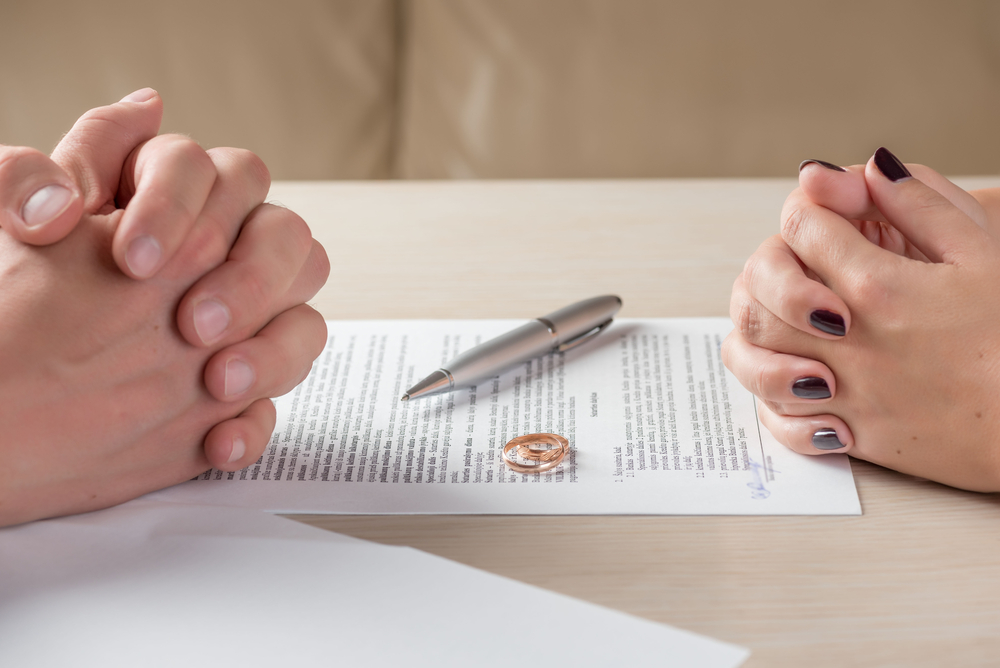
When one spouse files for divorce and the other spouse does not respond, the court may allow the case to proceed through a default judgment. A default judgment allows the divorce to move forward even if the other party does not participate in the case.
In Idaho, the timeline for obtaining a default divorce can vary depending on several factors, including whether the paperwork is properly completed and whether the court has any additional questions about the case.
Understanding the process can help you know what to expect if your spouse does not respond to the divorce filing.
If you have questions about divorce or custody matters in Idaho, you can speak with a Boise family lawyer at Brown Family Law.
What Is a Default Judgment in a Divorce?
A default judgment occurs when one spouse files for divorce and the other spouse does not file a response within the required time.
In Idaho, after being served with divorce papers, the responding spouse typically has 21 days to file an answer if they were served within the state.
If the spouse does not respond within that time period, the filing spouse may ask the court to enter a default.
Once the default is entered, the court may proceed with finalizing the divorce based on the information provided by the filing spouse.
Get Clear Guidance for Your Divorce
Steps Required Before a Default Judgment Is Issued
Even if the other spouse does not respond, several steps must still occur before the court can finalize the divorce.
These steps often include:
- Properly serving the divorce papers on the other spouse
- Waiting for the response period to expire
- Requesting entry of default from the court
- Submitting the required divorce paperwork for the judge’s review
The court must ensure that proper legal procedures were followed before issuing a default judgment.
A Calmer, Clearer Way Through Divorce
How Long the Process Usually Takes
If the responding spouse does not file an answer and the paperwork is properly submitted, a default divorce may move relatively quickly.
In some situations, the timeline may be as little as a few weeks after the response period expires.
However, the exact timing can depend on:
- The court’s schedule
- Whether all documents were filed correctly
- Whether the judge requires a short hearing
If the court requests additional information or corrections to the paperwork, the process may take longer.


A Hearing May Sometimes Be Required
In certain cases, the judge may schedule a brief hearing before issuing a final divorce decree.
During this hearing, the filing spouse may be asked to confirm information related to:
- The marriage
- Residency requirements
- Custody arrangements if children are involved
- Property division
The purpose of the hearing is to ensure the court has sufficient information before entering the final judgment.
Default Judgments Must Still Be Fair
Even when a spouse fails to respond, the court still reviews the proposed divorce terms to ensure they are reasonable.
The judge may review issues such as:
- Division of marital property
- Child custody arrangements
- Child support obligations
Courts generally seek to ensure that the final order is fair and consistent with Idaho law.
A Default Judgment Can Sometimes Be Challenged
Although a default judgment allows a divorce to proceed without participation from the other spouse, it may sometimes be challenged later.
For example, a spouse may ask the court to set aside a default judgment if they can show:
- They were not properly served
- There was a legitimate reason they could not respond
- Other legal grounds exist for reconsidering the judgment
These situations are not common, but they are possible under certain circumstances.
Speak With an Idaho Family Law Attorney
Default divorces can appear simple, but it is still important to ensure that all legal requirements are properly followed.
If you have questions about divorce procedures or need guidance on how to move your case forward, speaking with an experienced attorney can help you understand your options.
To schedule a consultation with an Idaho divorce attorney, contact Brown Family Law.