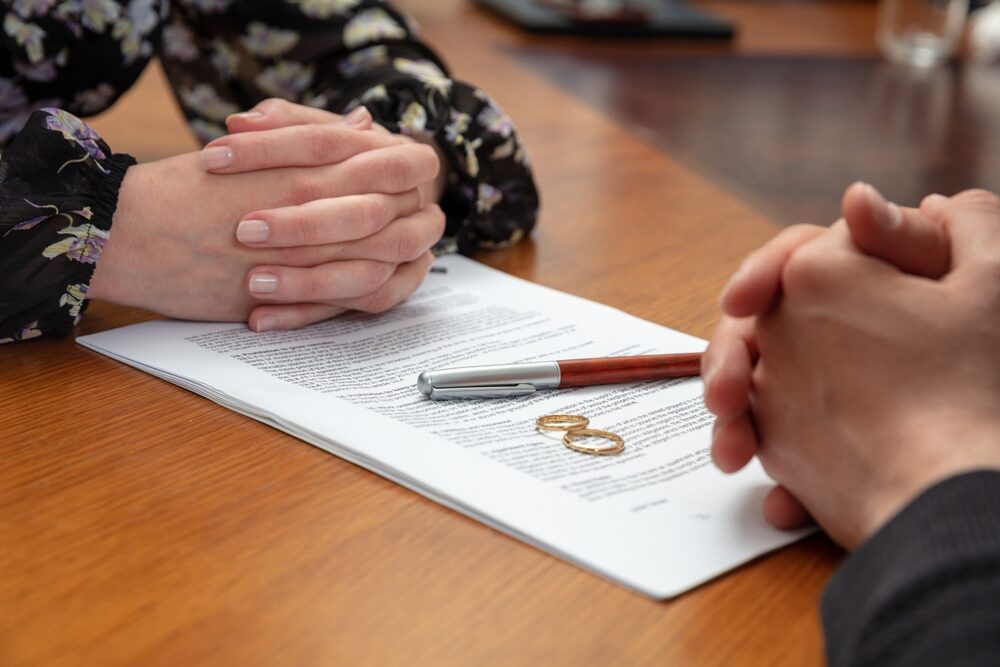
When divorce papers arrive, many people panic about deadlines. Some assume they must sign immediately, while others believe that ignoring the paperwork will stop the divorce from moving forward. In Utah, neither assumption is correct.
Utah law sets specific response timelines for divorce cases, but signing divorce papers is not the same thing as agreeing to the divorce. Understanding what you are required to do, and when, can help you protect your rights and avoid unintended consequences.
If you have any questions, please feel free to contact our Sandy divorce lawyers.
Do I Have to Sign Divorce Papers in Utah?
No.
You are not required to sign divorce papers to allow a divorce to proceed. Utah is a no-fault divorce state, which means one spouse can move forward with divorce even if the other does not agree.
What matters legally is whether you respond to the divorce petition, not whether you sign it.
Get Clear Guidance for Your Divorce
What Divorce Papers Are Typically Served?
When you are served with divorce papers in Utah, you usually receive:
- A Petition for Divorce
- A Summons
- Financial disclosures or notices
- Parenting-related documents if children are involved
The summons is especially important because it explains how long you have to respond.
A Calmer, Clearer Way Through Divorce
How Long Do I Have to Respond to Divorce Papers in Utah?
Under Utah law, the deadline to respond depends on where you were served.
If you were served in Utah, you generally have 21 days from the date of service to file a response.
If you were served outside Utah, you typically have 30 days to respond.
These deadlines are strict and begin running from the date of proper service.


What Does Responding Mean?
Responding means filing a written response with the court.
A response allows you to:
- Agree or disagree with statements in the petition
- Request custody, support, or property division
- Preserve your right to participate in the case
- Prevent a default judgment
Responding does not mean you agree to the divorce or its terms.
What Happens if I Do Not Respond on Time?
If you do not file a response within the required timeframe, your spouse may request a default.
In a default divorce:
- The court may proceed without your input
- Your spouse’s requests may be accepted if legally appropriate
- You lose the opportunity to negotiate or contest issues
Courts still review default cases for fairness, but your ability to influence the outcome is limited.
Is a Default Divorce Automatic?
No.
Default is a process, not an automatic outcome. Your spouse must request default and meet procedural requirements, including proving proper service.
However, once default is entered, it becomes much harder to assert your position.
What if I Want More Time?
In some situations, additional time may be available.
Possible options include:
- Filing a response before the deadline, even if incomplete
- Requesting an extension by agreement
- Asking the court for additional time in limited circumstances
Courts may grant extensions, but they are not guaranteed.
Do I Ever Have to Sign Divorce Papers?
Signing typically comes into play if you and your spouse reach an agreement.
If you agree on issues such as property division, custody, and support, you may be asked to sign a settlement agreement or stipulated decree.
Signing an agreement means you consent to its terms. You should understand the document fully before signing.
What if I Disagree With the Divorce Terms?
If you disagree with any part of the divorce, you should not sign an agreement.
Instead, you should file a response and allow the case to proceed through negotiation, mediation, or court hearings.
Signing documents you do not agree with can waive important rights.
Does Ignoring Divorce Papers Delay the Divorce?
No.
Ignoring divorce papers does not stop the divorce. In most cases, it speeds up the process for the filing spouse by allowing a default divorce.
Nonresponse often results in less favorable outcomes for the spouse who remains silent.
What if I Was Not Properly Served?
Proper service is required before response deadlines apply.
If you believe you were not properly served, the court may not have jurisdiction to proceed. However, improper service must be raised appropriately and in a timely manner.
If service issues exist, addressing them early is important.
Does the Waiting Period Affect Response Deadlines?
Utah has a mandatory 30-day waiting period before a divorce can be finalized, although this period can sometimes be waived.
This waiting period does not extend the deadline to respond. Response deadlines are separate from the waiting period.
How Divorce With Children Affects Deadlines
If children are involved, additional requirements may apply, such as parenting classes or temporary orders.
However, the response deadline remains the same. Failing to respond can affect custody and support outcomes significantly.
Can I Change My Mind After Responding?
Yes.
Responding preserves your rights but does not lock you into specific positions. Issues can often be resolved through negotiation or mediation even after a response is filed.
Responding simply keeps you involved in the process.
Common Misconceptions About Signing Divorce Papers
Many people believe:
- Signing is required to get divorced
- Not signing prevents divorce
- Deadlines only apply if you agree
- You can wait until a hearing to respond
These assumptions are incorrect and can lead to serious legal consequences.
Why Timing Matters
Divorce deadlines affect your ability to:
- Protect property interests
- Seek custody or parent-time
- Request support
- Participate in settlement discussions
Missing a deadline can shift leverage and limit options.
The Bottom Line
In Utah, you do not have to sign divorce papers to get divorced. What matters is whether you respond to the divorce petition within the required time.
If you were served in Utah, you generally have 21 days to respond. If served outside the state, you typically have 30 days.
Failing to respond can result in a default divorce and limit your ability to protect your interests.
Utah-Specific Legal Note
Utah divorce response deadlines and procedures are governed by the recodified domestic relations statutes in Title 81 of the Utah Code, along with the Utah Rules of Civil Procedure. Proper service and timely response are essential to preserving legal rights.
If you have received divorce papers and are unsure how to respond or what deadlines apply, informed guidance can help you understand your options and next steps.
If you would like to learn more, give us a call for a consultation.